To our exclusive portal for reserving a seat in the clouds. Dive into an adventure like never before, where gourmet dining meets stunning aerial views. Select your venue & customize your experience. Get ready to elevate your journey with us.

SAFETY FIRST
Engineered, not assumed.
‹
›
SAFETY FIRST
Engineered,
Not assumed.
Safety Integrated
Integrated restraint and structure ensure secure and controlled aerial positioning.

Climate Ready
Engineered to operate in wind speeds up to 40km/h with automatic safety protocols.

Engineering Certified
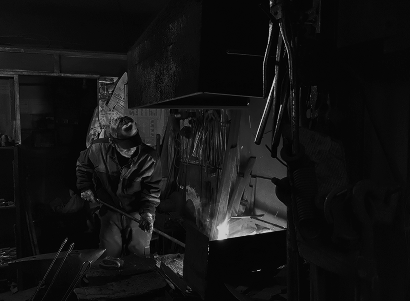
Precision-engineered structure ensures stable and predictable aerial performance.

Load Balanced
Optimized load distribution ensures stability and controlled suspension performance.

Suspension Optimized
Precision suspension design ensures balanced lift and structural stability.

Material Verified
Industrial-grade materials ensure durability, strength, and consistent structural reliability.

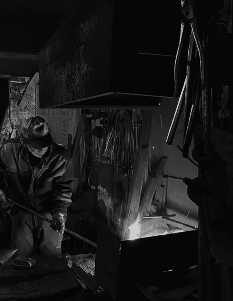
Safety Integrated
Integrated restraint ensures secure aerial positioning.
Climate Ready
Operates safely in winds up to 40 km/h.
Engineering Certified
Precision structure ensures stable aerial performance.
Load Balanced
Optimized load distribution ensures stability.
Suspension Optimized
Balanced suspension design ensures stable lifting.
Material Verified
Industrial-grade materials ensure durable structure.
IMPRESSION
Product Preview
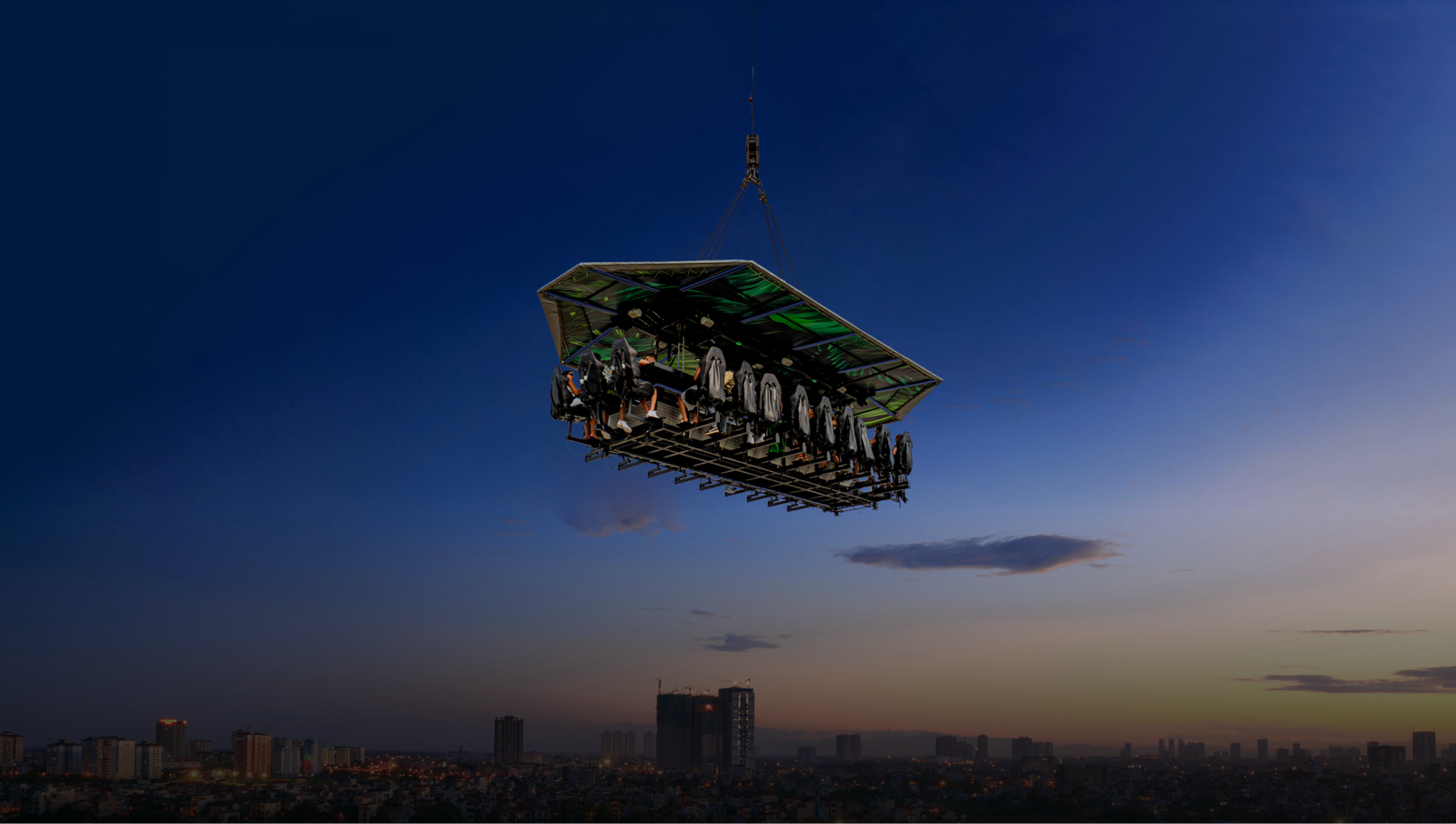
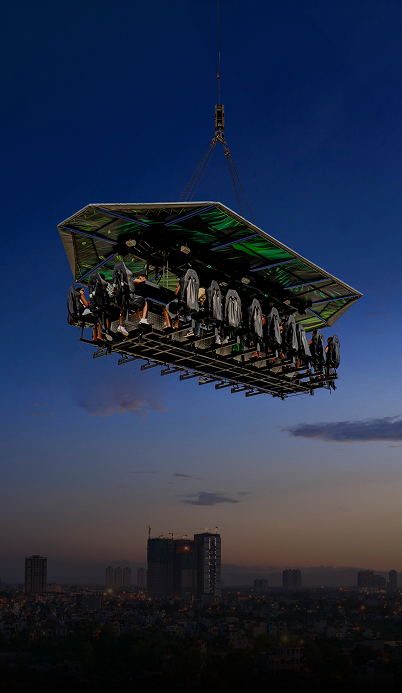
Dragon 24 integrates high-strength structural members, multi-point load distribution, and crane-compatible lifting nodes into a unified elevated system.

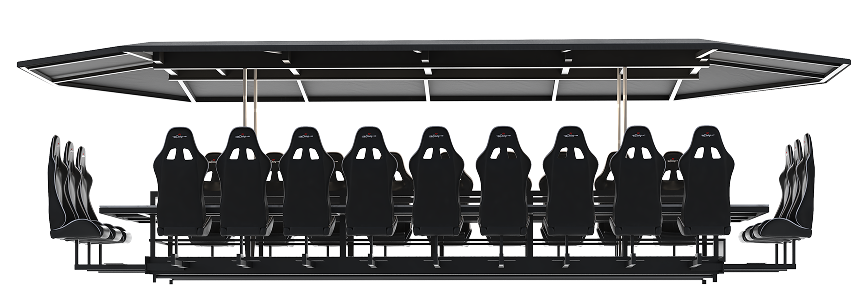
100%
Global Safety Compliance
ISO & TÜV
Certified Structural Safety
40 km/h
Wind-Rated Operation
<3 hrs
Rapid Deployment
IMPRESSION
Product Preview
Dragon 24 integrates high-strength structural members, multi-point load distribution, and crane-compatible lifting nodes into a unified elevated system.

100%
Geo-Safety
Compliance
40km/h
Wind-rated
operation
<3 hrs
Rapid
Deployment

ENGINEERING
Know
your structure by design.
SIZE
9×5
Mtr
Meters In Length
WEIGHT
120
Ton
Tonne Minimum
CAPACITY
120+
Guests & Crew
SHAPE
Rectangular
Get notified
of structural performance and load integrity.
The FlyDining Dragon – 24 Seaters is engineered as a precision-balanced suspended platform, designed to maintain structural stability, certified load performance, and operational safety at elevation. Built using high-strength structural steel and reinforced suspension interfaces.

Maintain structural stability through engineered suspension. Multi-point suspension interfaces distribute loads evenly. Reinforced nodes and calibrated geometry ensure balance, reduce stress during elevation and operation.

Engineering validated through structural analysis. Engineered using load simulations and safety-factor validation. Structural components maintain rigidity, prevent deformation, and ensure reliable performance under continuous operational loads.

Integrated with certified lifting and load-control systems. Connects with crane systems using certified rigging and reinforced connection points. Ensures controlled elevation, stable positioning, and consistent load performance during repeated operations.

ENGINEERING
Know
your structure by design.
Crane req
120
Tn Min lifting cap
Capacity
20+
Guests & Crew
Crane req
120
Tn Min lifting cap
Capacity
20+
Guests & Crew
Monitor
structural performance
and load integrity.
The FlyDining Dragon – 24 Seaters is a precision-balanced suspended platform engineered for structural stability and certified load safety at elevation. Built with high-strength steel and reinforced suspension interfaces.
SEATING SYSTEM
Advanced Seating Synthesis
Specially designed aerial seating ensures guests remain confident throughout experience.
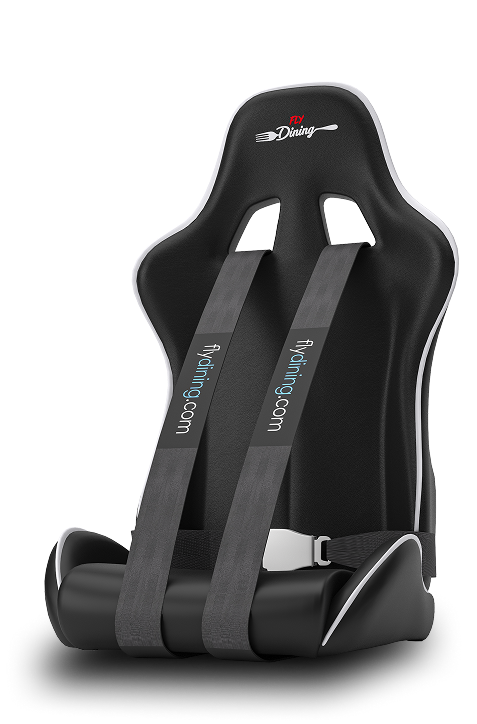
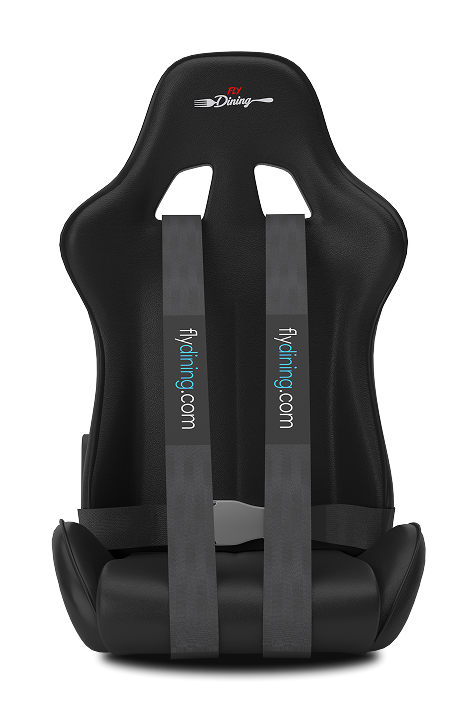
A reinforced suspension-mounted chair. Built with a high-strength frame and secure deck anchoring. Integrates with certified harness systems and maintains alignment under load, ensuring stable seating geometry during elevation.
SEATING SYSTEM
Seats engineered for air.
Comfort meets rigorous safety standards. Designed to keep guests secure and relaxed at 50 meters.
Certified Harness
4-point safety locking system.
Adjustable
180° degree rotation capability.
Weather Resistant
Marine-grade level upholstery.
Ergonomic Design
Lumbar support for long duration.
SEATING SYSTEM
Advanced Seating Synthesis
Specially designed aerial seating ensures guests remain confident throughout experience.
A reinforced suspension-mounted chair. High-strength frame with deck anchoring. Certified harness integration ensures alignment at elevation.
SEATING SYSTEM
Seats engineered for air.
Comfort meets rigorous safety standards. Designed to keep guests secure and relaxed at 50 meters.
Certified Harness
4-point safety locking system.
Adjustable
180° degree rotation capability.
Weather Resistant
Marine-grade level upholstery.
Ergonomic Design
Lumbar support for long duration.
USER FEEDBACK
Why Trust A Chair?
Adventure enthusiast Jo’enna Carter was impressed by the comfort, safety, and design of FlyDining chairs, elevating the sky-high dining experience.


AUTOMATION
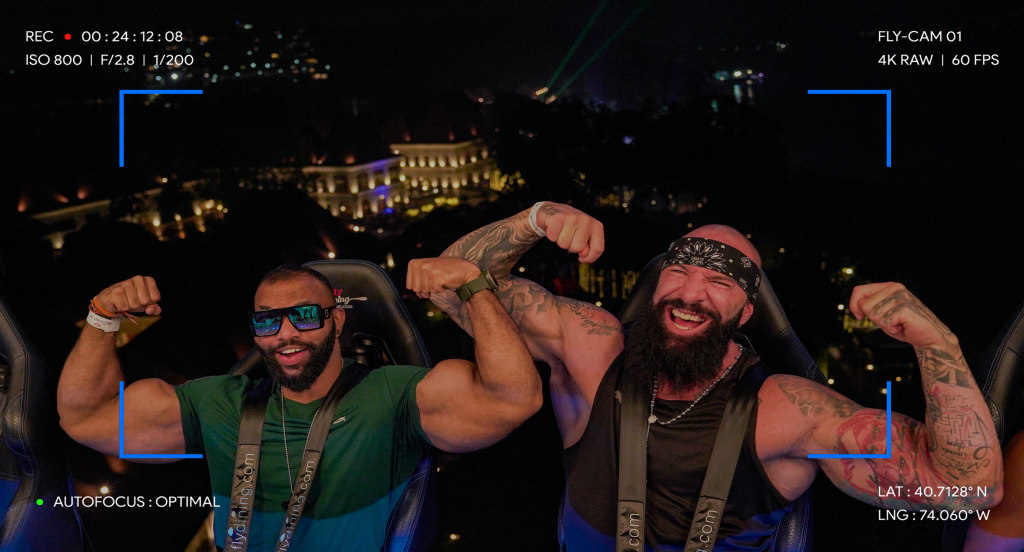
AI-triggered
Photography.
Integrated camera system captures timed moments at elevation with stabilized framing and preset composition profiles.

AUTOMATION
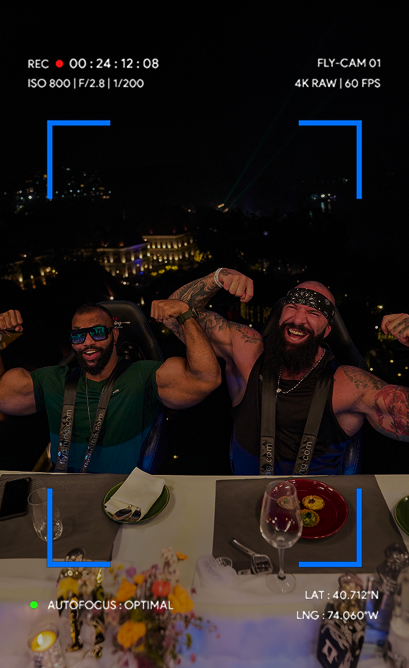
AI-triggered
Photography.
Integrated camera system captures timed moments at elevation with stabilized framing and preset composition profiles.

Unleash
The Power of Automation

Engineered
To Capture, Illuminate, and Share.

UPTO
360
°
Calibrated LED Illumination
Coverage For Balanced Lighting.
Coverage For Balanced Lighting.
AI Photography Automation
Automated intelligent capture during sessions.
WITHIN
3
Sec
Instant Image Processing
With Automated Cloud Routing²
With Automated Cloud Routing²
Instant Sharing Automation
Real-time cloud delivery to guests.
UPTO
5000
Hrs
LED With Low-Heat Continuous
Performance³
Performance³
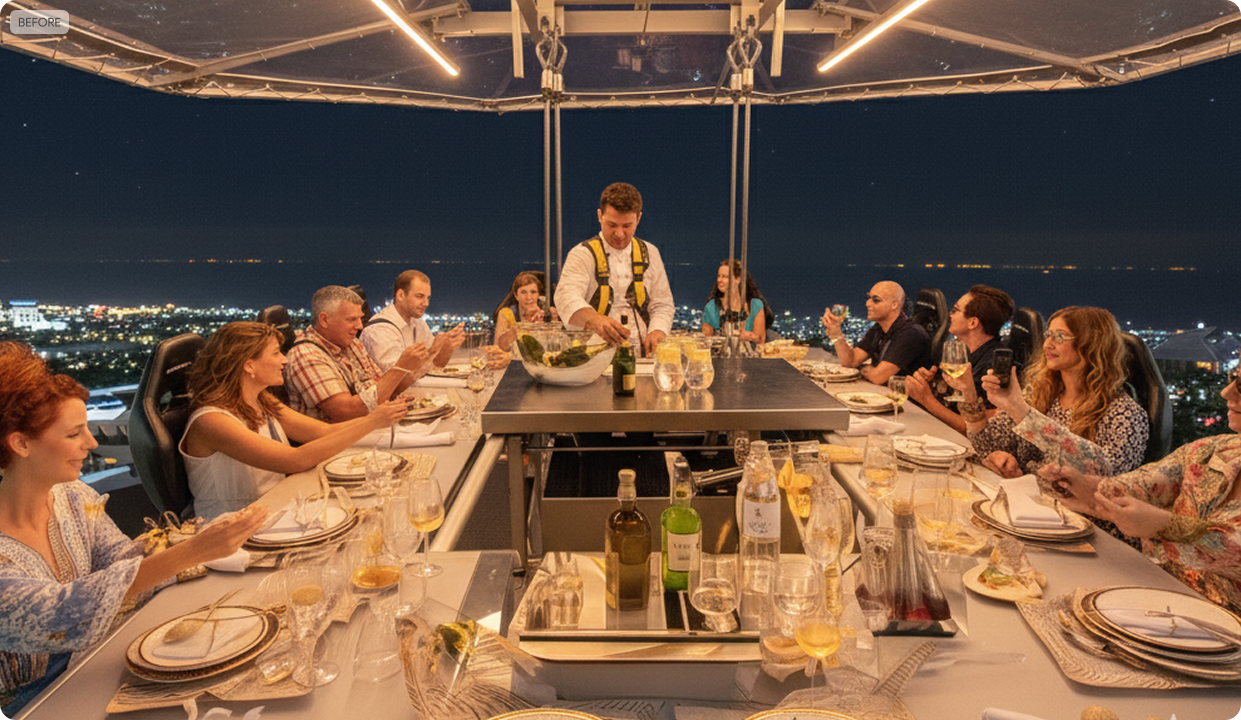
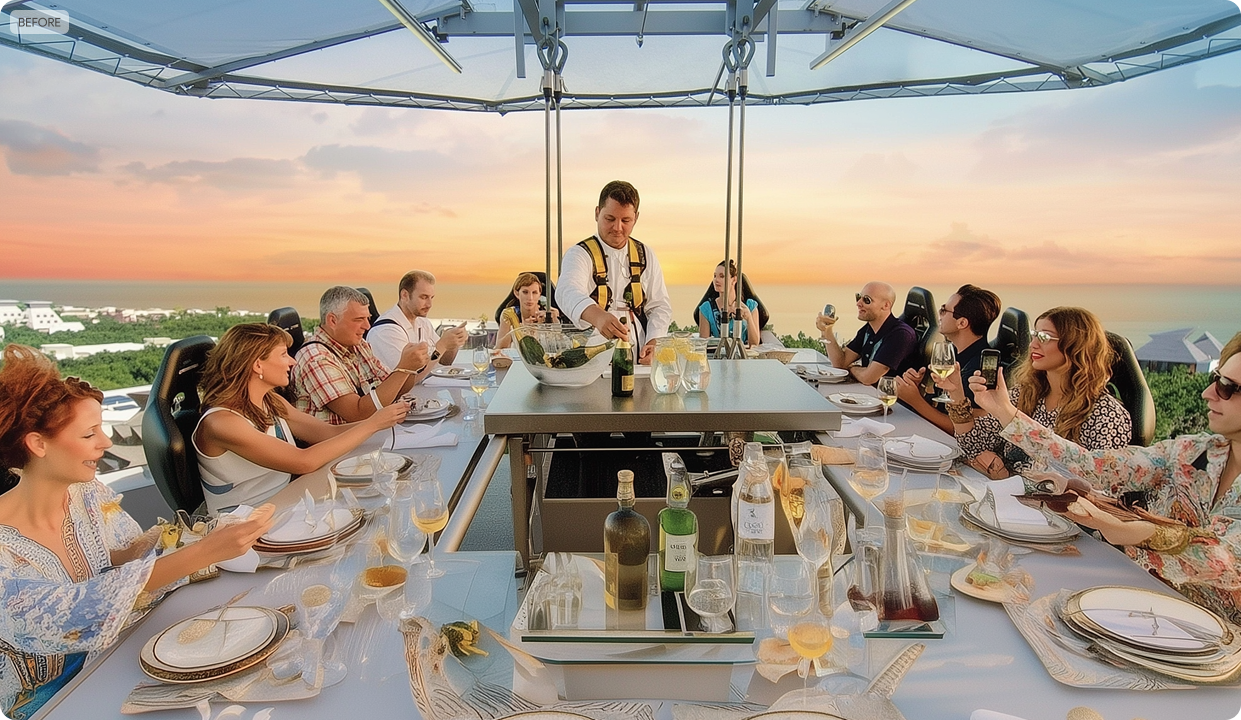
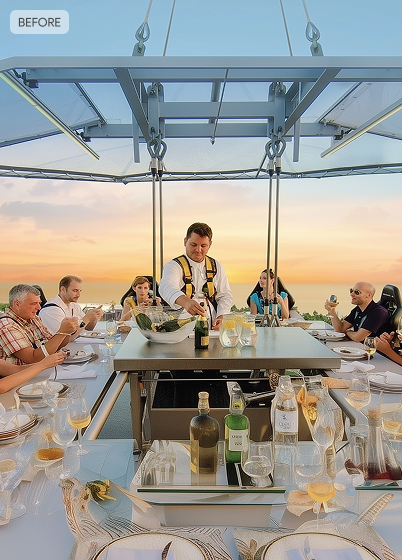
Dynamic Lighting
Adaptive Deck Lighting Precision LED integration
Atmospheric lighting Control
Dynamic lighting systems that adapt to the horizon, enhancing the visual spectacle from dawn till dusk.
‹
›
Before
After
AUDIO ENGINEERING
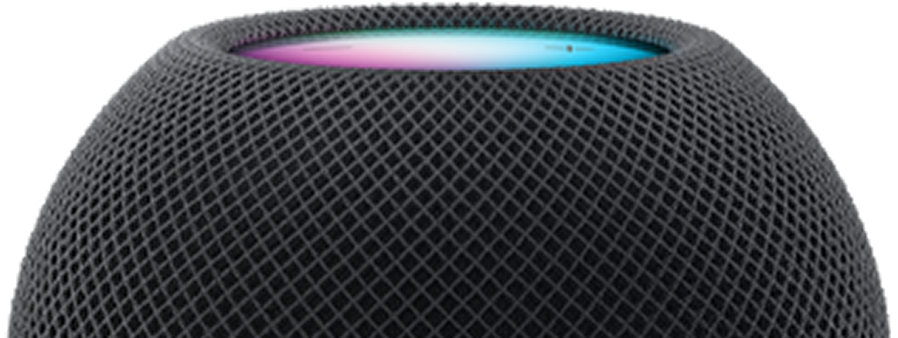
Sound designed for altitude.
Wind-resistant tuning ensures clear conversation and immersive music at any height.

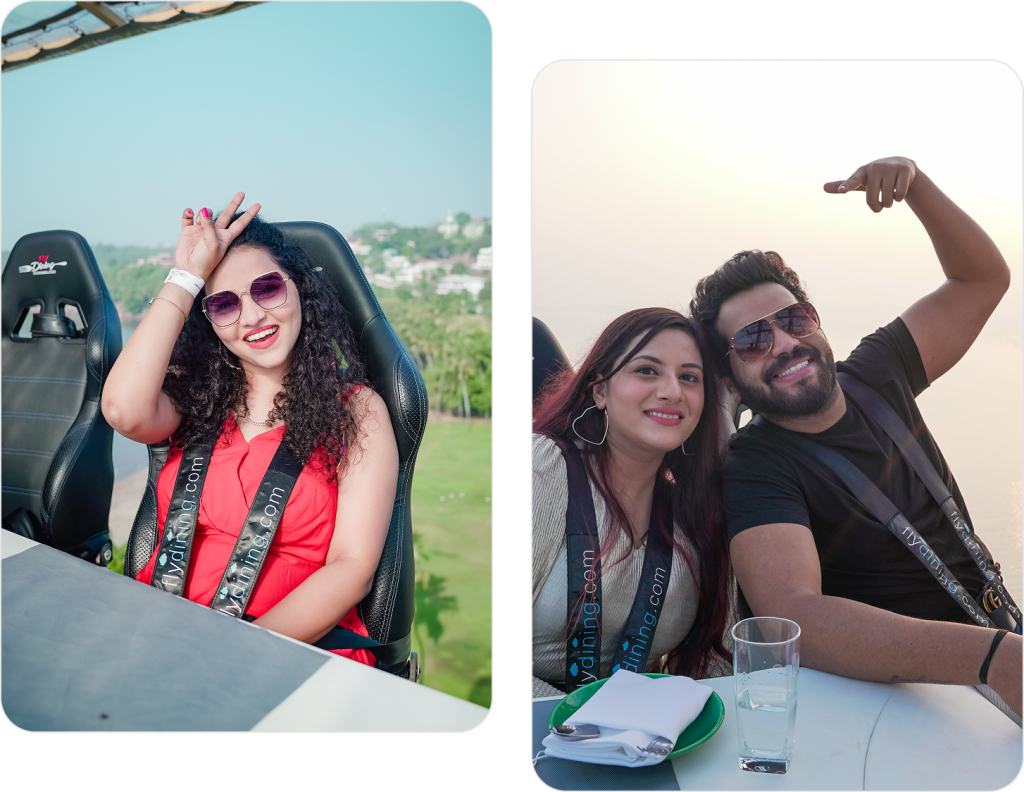
SPOTIFY INTEGRATION
Music guests love.
Seamlessly switch between FlyTune moments and guest-selected Spotify playlists. Mood-based playback controls.
1:17
2:23
♫
FlyTune™
Immersive audio
Experience at FlyDining.
AUDIO ENGINEERING
Sound designed for altitude.
Wind-resistant tuning ensures clear conversation and immersive music at any height.

♪
FlyTune™
Immersive audio
Experience at FlyDining.
ALTITUDE
150
FT
SYNC
100
%
LATENCY
12
MS
Spotify Integration
Music guests love.
Seamlessly switch between FlyTune moments and guest-selected Spotify playlists. Mood-based playback controls.
1:17
2:23

FlyHost™ OS Intelligence.
Learn more
in the FlyHost OS System Overview (PDF)
Master behind the Experience
The intelligent operating system orchestrating safety, sound, hosting, and flawless aerial dining experiences.
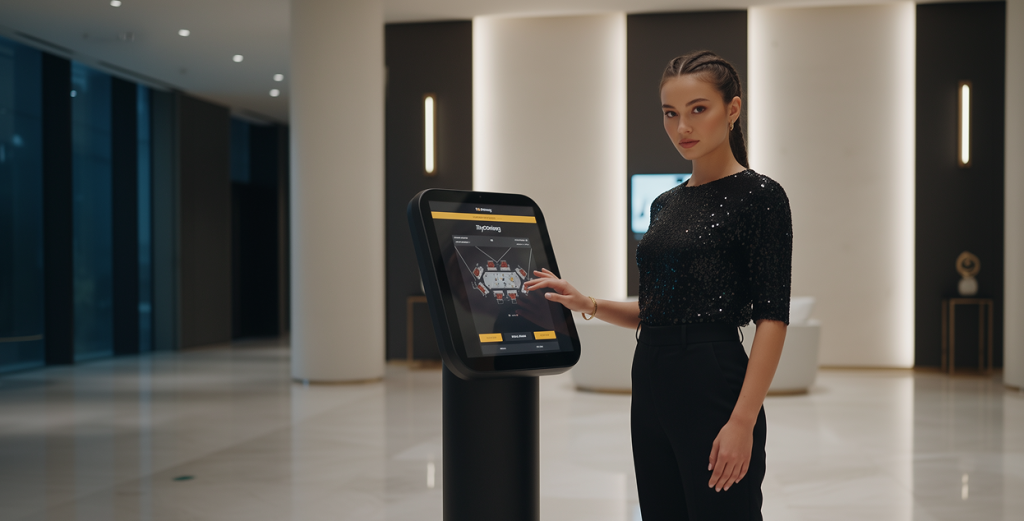
Unified Control Across 100%
Of Deck Systems.
Automated Workflows Across
Every Session.
Real-Time System Visibility At
Elevation.
FlyHost™ OS Intelligence.
Learn more
in the FlyHost OS System Overview (PDF)
Unified Control Across 100%
Of Deck Systems.
Automated Workflows Across
Every Session.
Real-Time System Visibility At
Elevation.
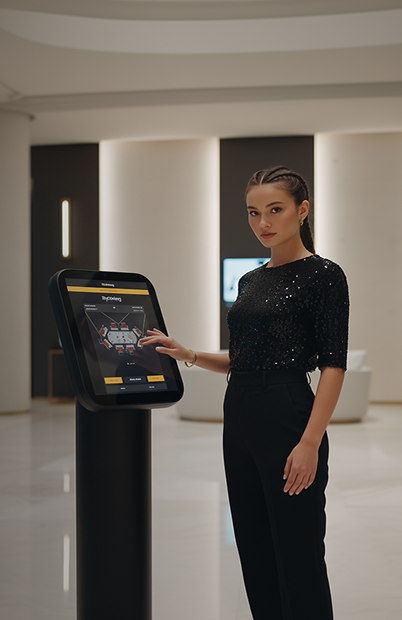
Master behind the Experience
OPERATIONAL AUTOMATION
Run every session with precision
FlyHost OS brings booking management, guest coordination, seat allocation, and operational workflows into one unified automation layer. Designed for elevated dining environments, it reduces manual intervention while maintaining control, accuracy, and real-time visibility across every session.
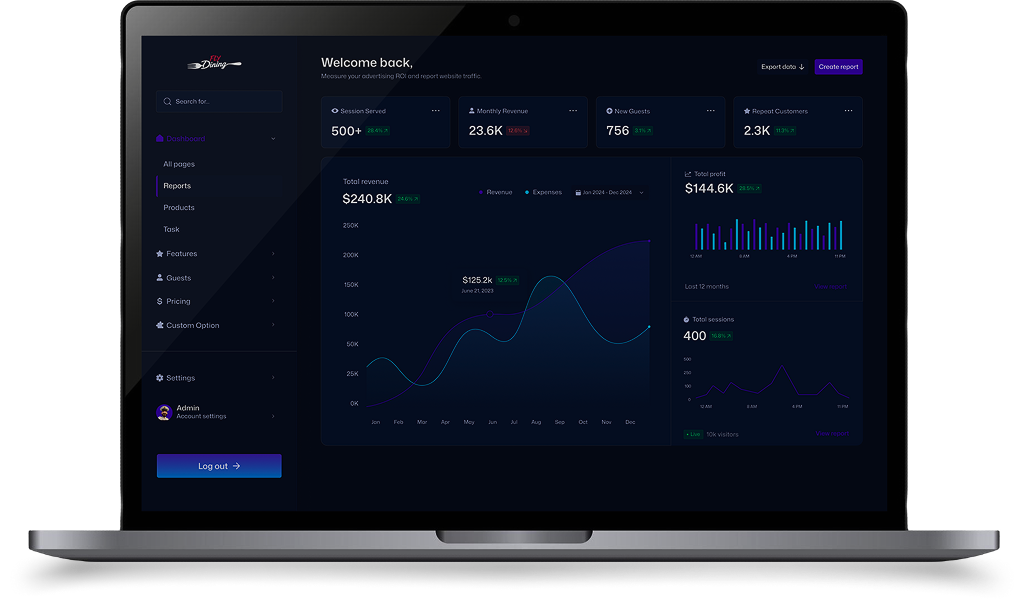
Instant Booking Sync.
real-time reservation sync across platforms, preventing double bookings and aligning capacity with availability.
Smart Check-In Control.
QR-based verification logs arrivals and routes guests into the correct operational flow.
Live Capacity Monitoring
Real-time visibility of seat distribution, session load, and deck availability before lift cycles.
Revenue & Session Analytics
Dashboards track bookings, utilization, peak trends, and performance metrics.
Session Auto-Assignment
Smart seat allocation based on capacity logic and operational flow.
Guest Auto-Communication
Automated reminders, waiver prompts, and follow-up messages triggered by workflow rules.
OPERATIONAL AUTOMATION
Run every session with precision
FlyHost OS automates bookings and workflows with real-time control.
Revenue &
Session
Analytics
Instant
Booking
Sync.
Smart
Check-In
Control
Live
Capacity
Monitoring
See the Experience in Motion
Witness the breathtaking ascent and the unparalleled luxury of dining among the clouds. Every seat is a front-row view of the horizon.

See the Experience in Motion
Witness the breathtaking ascent and the unparalleled luxury of dining among the clouds. Every seat is a front-row view of the horizon.
Choose the Deck That
Carries Scale
Experience the pinnacle of luxury dining. Global installation and premium standards tailored to your unique location. Join the elite network of aerial dining venues worldwide.
Get Instant Quote
Download Brochure
Not Just a Deck, Its a whole Experience
What exactly is the FlyDining Dragon 24-Seater deck?
The FlyDining Dragon 24-Seater is the primary elevated dining deck platform designed to host a single seated session with up to 24 guest seats, plus defined working zones for crew operations. Final usable seating and crew counts vary by configuration, jurisdictional rules, and site operating plan.
What is included in the standard deck supply?
Typically includes the main deck structure, seating layout provisions, attachment points for operational components, and integration interfaces for lifting and control subsystems. The final scope depends on the commercial quotation, selected options, and the installation plan agreed for your site.
What site information is required before confirming the order?
To recommend the right configuration, you generally need: proposed location, available footprint, access/rigging constraints, expected wind conditions, lift strategy, power plan (if applicable), and local permitting requirements. This ensures the configuration is aligned to real operating constraints rather than assumptions.
How does a typical guest session flow work?
A standard flow is: check-in → safety briefing → seating and restraint checks → controlled elevation → service and experience window → controlled descent → off-boarding and post-check. The exact SOP is customized to your local compliance, staffing model, and venue throughput goals.
How many crew are needed to operate reliably?
Staffing depends on your service style and compliance needs. Many operators plan for a shift team covering: session lead, safety/check personnel, service crew, and ground coordination. Your final headcount should be set by your risk assessment and local regulations.
What maintenance is expected over time?
Expect scheduled inspections, fastener/connection checks, wear monitoring, and cleaning routines. Preventive maintenance intervals are set by your duty cycle, environment (coastal/dust/humidity), and operating hours. Keep a logged inspection register for audit readiness.
What should we avoid claiming in marketing?
Avoid absolute or unverifiable claims such as “100% safe,” “certified everywhere,” or “guaranteed approvals.” Use accurate, specific statements tied to documented scope, tested configurations, and local compliance outcomes.
Can we customize branding and guest experience elements?
Yes—operators often customize finishes, guest-facing branding elements, and service choreography. Customization should not interfere with safety-critical geometry, access paths, or required inspection points.
What does a buyer get—product, rights, or a turnkey business?
You are purchasing a defined equipment scope and agreed deliverables as per quotation and contract. Business outcomes (revenue, utilization, approvals) depend on site conditions, local licensing, staffing, and operations. Keep the listing and sales language strictly aligned to what is contractually included.
What compliance and permitting should we plan for?
Plan for local authority requirements (structural, lifting/rigging, fire, electrical if applicable, occupancy, and public safety). Compliance is always jurisdiction-specific, and the operator remains responsible for meeting applicable laws and regulations.
How do we keep guest-facing claims policy-safe for Google listings?
Use precise, factual statements (capacity configuration, materials, included components, documented options). Avoid misleading guarantees and ensure your website, pricing, and policies are transparent and consistent—this reduces “misrepresentation” risk.
What operating constraints should a buyer consider up front?
Key constraints include wind thresholds (per your operating plan), site access for lift operations, evacuation/contingency procedures, noise and neighbor considerations, and reliable staffing. Align the chosen configuration to your real site environment and throughput expectations.
How does safety verification typically work before each lift?
A typical pre-lift routine includes: zone clearance, seat/harness checks, attachment/connection checks, comms check, controlled lift confirmation, and crew role confirmation. The final checklist should follow your documented SOP and local compliance guidance.
How do we support accessibility and clear guest communication?
Use clear headings, simple language, and consistent labels in guest instructions. For expandable FAQs, ensure each question clearly describes the content it reveals, and keep interaction predictable (expand/collapse).
What training should we plan for?
Plan role-based training for session lead, safety checks, service choreography, and ground coordination. Training should be documented (sign-offs, refreshers) and aligned with your local operational requirements.
What documentation should a buyer keep ready for audits or inspections?
Maintain: equipment scope/serial records, inspection logs, maintenance records, incident/near-miss logs, staff training records, and your approved SOPs. Good documentation improves operational continuity and compliance readiness.
Know Before You Go
Your guide to dining above
What exactly is the FlyDining Dragon 24-Seater deck?
The FlyDining Dragon 24-Seater is the primary elevated dining deck platform designed to host a single seated session with up to 24 guest seats, plus defined working zones for crew operations. Final usable seating and crew counts vary by configuration, jurisdictional rules, and site operating plan.
What is included in the standard deck supply?
Typically includes the main deck structure, seating layout provisions, attachment points for operational components, and integration interfaces for lifting and control subsystems. The final scope depends on the commercial quotation, selected options, and the installation plan agreed for your site.
What site information is required before confirming the order?
To recommend the right configuration, you generally need: proposed location, available footprint, access/rigging constraints, expected wind conditions, lift strategy, power plan (if applicable), and local permitting requirements. This ensures the configuration is aligned to real operating constraints rather than assumptions.
How does a typical guest session flow work?
A standard flow is: check-in → safety briefing → seating and restraint checks → controlled elevation → service and experience window → controlled descent → off-boarding and post-check. The exact SOP is customized to your local compliance, staffing model, and venue throughput goals.
How many crew are needed to operate reliably?
Staffing depends on your service style and compliance needs. Many operators plan for a shift team covering: session lead, safety/check personnel, service crew, and ground coordination. Your final headcount should be set by your risk assessment and local regulations.
What maintenance is expected over time?
Expect scheduled inspections, fastener/connection checks, wear monitoring, and cleaning routines. Preventive maintenance intervals are set by your duty cycle, environment (coastal/dust/humidity), and operating hours. Keep a logged inspection register for audit readiness.
What should we avoid claiming in marketing?
Avoid absolute or unverifiable claims such as “100% safe,” “certified everywhere,” or “guaranteed approvals.” Use accurate, specific statements tied to documented scope, tested configurations, and local compliance outcomes.
Can we customize branding and guest experience elements?
Yes—operators often customize finishes, guest-facing branding elements, and service choreography. Customization should not interfere with safety-critical geometry, access paths, or required inspection points.
What does a buyer get—product, rights, or a turnkey business?
You are purchasing a defined equipment scope and agreed deliverables as per quotation and contract. Business outcomes (revenue, utilization, approvals) depend on site conditions, local licensing, staffing, and operations. Keep the listing and sales language strictly aligned to what is contractually included.
What compliance and permitting should we plan for?
Plan for local authority requirements (structural, lifting/rigging, fire, electrical if applicable, occupancy, and public safety). Compliance is always jurisdiction-specific, and the operator remains responsible for meeting applicable laws and regulations.
How do we keep guest-facing claims policy-safe for Google listings?
Use precise, factual statements (capacity configuration, materials, included components, documented options). Avoid misleading guarantees and ensure your website, pricing, and policies are transparent and consistent—this reduces “misrepresentation” risk.
What operating constraints should a buyer consider up front?
Key constraints include wind thresholds (per your operating plan), site access for lift operations, evacuation/contingency procedures, noise and neighbor considerations, and reliable staffing. Align the chosen configuration to your real site environment and throughput expectations.
How does safety verification typically work before each lift?
A typical pre-lift routine includes: zone clearance, seat/harness checks, attachment/connection checks, comms check, controlled lift confirmation, and crew role confirmation. The final checklist should follow your documented SOP and local compliance guidance.
How do we support accessibility and clear guest communication?
Use clear headings, simple language, and consistent labels in guest instructions. For expandable FAQs, ensure each question clearly describes the content it reveals, and keep interaction predictable (expand/collapse).
What training should we plan for?
Plan role-based training for session lead, safety checks, service choreography, and ground coordination. Training should be documented (sign-offs, refreshers) and aligned with your local operational requirements.
What documentation should a buyer keep ready for audits or inspections?
Maintain: equipment scope/serial records, inspection logs, maintenance records, incident/near-miss logs, staff training records, and your approved SOPs. Good documentation improves operational continuity and compliance readiness.
Choose the Deck That Carries Scale
Experience the pinnacle of luxury dining. Global installation and premium standards tailored to your unique location. Join the elite network of aerial dining venues worldwide.
Not Just a Deck, Its a whole Experience
What exactly is the FlyDining Dragon 24-Seater deck?
The FlyDining Dragon 24-Seater is the primary elevated dining deck platform designed to host a single seated session with up to 24 guest seats, plus defined working zones for crew operations. Final usable seating and crew counts vary by configuration, jurisdictional rules, and site operating plan.
What is included in the standard deck supply?
Typically includes the main deck structure, seating layout provisions, attachment points for operational components, and integration interfaces for lifting and control subsystems. The final scope depends on the commercial quotation, selected options, and the installation plan agreed for your site.
What site information is required before confirming the order?
To recommend the right configuration, you generally need: proposed location, available footprint, access/rigging constraints, expected wind conditions, lift strategy, power plan (if applicable), and local permitting requirements. This ensures the configuration is aligned to real operating constraints rather than assumptions.
How does a typical guest session flow work?
A standard flow is: check-in → safety briefing → seating and restraint checks → controlled elevation → service and experience window → controlled descent → off-boarding and post-check. The exact SOP is customized to your local compliance, staffing model, and venue throughput goals.
How many crew are needed to operate reliably?
Staffing depends on your service style and compliance needs. Many operators plan for a shift team covering: session lead, safety/check personnel, service crew, and ground coordination. Your final headcount should be set by your risk assessment and local regulations.
What maintenance is expected over time?
Expect scheduled inspections, fastener/connection checks, wear monitoring, and cleaning routines. Preventive maintenance intervals are set by your duty cycle, environment (coastal/dust/humidity), and operating hours. Keep a logged inspection register for audit readiness.
What should we avoid claiming in marketing?
Avoid absolute or unverifiable claims such as “100% safe,” “certified everywhere,” or “guaranteed approvals.” Use accurate, specific statements tied to documented scope, tested configurations, and local compliance outcomes.
Can we customize branding and guest experience elements?
Yes—operators often customize finishes, guest-facing branding elements, and service choreography. Customization should not interfere with safety-critical geometry, access paths, or required inspection points.
What does a buyer get—product, rights, or a turnkey business?
You are purchasing a defined equipment scope and agreed deliverables as per quotation and contract. Business outcomes (revenue, utilization, approvals) depend on site conditions, local licensing, staffing, and operations. Keep the listing and sales language strictly aligned to what is contractually included.
What compliance and permitting should we plan for?
Plan for local authority requirements (structural, lifting/rigging, fire, electrical if applicable, occupancy, and public safety). Compliance is always jurisdiction-specific, and the operator remains responsible for meeting applicable laws and regulations.
How do we keep guest-facing claims policy-safe for Google listings?
Use precise, factual statements (capacity configuration, materials, included components, documented options). Avoid misleading guarantees and ensure your website, pricing, and policies are transparent and consistent—this reduces “misrepresentation” risk.
What operating constraints should a buyer consider up front?
Key constraints include wind thresholds (per your operating plan), site access for lift operations, evacuation/contingency procedures, noise and neighbor considerations, and reliable staffing. Align the chosen configuration to your real site environment and throughput expectations.
How does safety verification typically work before each lift?
A typical pre-lift routine includes: zone clearance, seat/harness checks, attachment/connection checks, comms check, controlled lift confirmation, and crew role confirmation. The final checklist should follow your documented SOP and local compliance guidance.
How do we support accessibility and clear guest communication?
Use clear headings, simple language, and consistent labels in guest instructions. For expandable FAQs, ensure each question clearly describes the content it reveals, and keep interaction predictable (expand/collapse).
What training should we plan for?
Plan role-based training for session lead, safety checks, service choreography, and ground coordination. Training should be documented (sign-offs, refreshers) and aligned with your local operational requirements.
What documentation should a buyer keep ready for audits or inspections?
Maintain: equipment scope/serial records, inspection logs, maintenance records, incident/near-miss logs, staff training records, and your approved SOPs. Good documentation improves operational continuity and compliance readiness.
Know Before You Go
Your guide to dining above
What exactly is the FlyDining Dragon 24-Seater deck?
The FlyDining Dragon 24-Seater is the primary elevated dining deck platform designed to host a single seated session with up to 24 guest seats, plus defined working zones for crew operations. Final usable seating and crew counts vary by configuration, jurisdictional rules, and site operating plan.
What is included in the standard deck supply?
Typically includes the main deck structure, seating layout provisions, attachment points for operational components, and integration interfaces for lifting and control subsystems. The final scope depends on the commercial quotation, selected options, and the installation plan agreed for your site.
What site information is required before confirming the order?
To recommend the right configuration, you generally need: proposed location, available footprint, access/rigging constraints, expected wind conditions, lift strategy, power plan (if applicable), and local permitting requirements. This ensures the configuration is aligned to real operating constraints rather than assumptions.
How does a typical guest session flow work?
A standard flow is: check-in → safety briefing → seating and restraint checks → controlled elevation → service and experience window → controlled descent → off-boarding and post-check. The exact SOP is customized to your local compliance, staffing model, and venue throughput goals.
How many crew are needed to operate reliably?
Staffing depends on your service style and compliance needs. Many operators plan for a shift team covering: session lead, safety/check personnel, service crew, and ground coordination. Your final headcount should be set by your risk assessment and local regulations.
What maintenance is expected over time?
Expect scheduled inspections, fastener/connection checks, wear monitoring, and cleaning routines. Preventive maintenance intervals are set by your duty cycle, environment (coastal/dust/humidity), and operating hours. Keep a logged inspection register for audit readiness.
What should we avoid claiming in marketing?
Avoid absolute or unverifiable claims such as “100% safe,” “certified everywhere,” or “guaranteed approvals.” Use accurate, specific statements tied to documented scope, tested configurations, and local compliance outcomes.
Can we customize branding and guest experience elements?
Yes—operators often customize finishes, guest-facing branding elements, and service choreography. Customization should not interfere with safety-critical geometry, access paths, or required inspection points.
What does a buyer get—product, rights, or a turnkey business?
You are purchasing a defined equipment scope and agreed deliverables as per quotation and contract. Business outcomes (revenue, utilization, approvals) depend on site conditions, local licensing, staffing, and operations. Keep the listing and sales language strictly aligned to what is contractually included.
What compliance and permitting should we plan for?
Plan for local authority requirements (structural, lifting/rigging, fire, electrical if applicable, occupancy, and public safety). Compliance is always jurisdiction-specific, and the operator remains responsible for meeting applicable laws and regulations.
How do we keep guest-facing claims policy-safe for Google listings?
Use precise, factual statements (capacity configuration, materials, included components, documented options). Avoid misleading guarantees and ensure your website, pricing, and policies are transparent and consistent—this reduces “misrepresentation” risk.
What operating constraints should a buyer consider up front?
Key constraints include wind thresholds (per your operating plan), site access for lift operations, evacuation/contingency procedures, noise and neighbor considerations, and reliable staffing. Align the chosen configuration to your real site environment and throughput expectations.
How does safety verification typically work before each lift?
A typical pre-lift routine includes: zone clearance, seat/harness checks, attachment/connection checks, comms check, controlled lift confirmation, and crew role confirmation. The final checklist should follow your documented SOP and local compliance guidance.
How do we support accessibility and clear guest communication?
Use clear headings, simple language, and consistent labels in guest instructions. For expandable FAQs, ensure each question clearly describes the content it reveals, and keep interaction predictable (expand/collapse).
What training should we plan for?
Plan role-based training for session lead, safety checks, service choreography, and ground coordination. Training should be documented (sign-offs, refreshers) and aligned with your local operational requirements.
What documentation should a buyer keep ready for audits or inspections?
Maintain: equipment scope/serial records, inspection logs, maintenance records, incident/near-miss logs, staff training records, and your approved SOPs. Good documentation improves operational continuity and compliance readiness.
